

We often think of aging as something distant in our younger years. In our 20s, many of us feel invincible, convinced that time will never slow us down. The confidence continues through our 30s, and by our 40s we begin to notice small reminders that perhaps we are not as bulletproof as we once believed.
The reality of aging becomes clearer as new generations grow around us. Yet aging is not simply about decline—it is also about growth, adaptation, and finding new meaning in life.
The Relevance of Aging and Staying Connected
For many people, the early 50s can be an exciting time of discovery. During this period, scientific research began to widely acknowledge the concept of neuroplasticity—the brain’s ability to reorganise itself and form new neural connections. Those working in neurological and medical fields had long suspected this, as they observed patients improving their functional capabilities through targeted interventions.
Today, in our 60s and beyond, there is growing interest in approaches that focus on improving overall wellbeing. These include biohacking techniques, lifestyle optimisation, and natural health strategies that reduce reliance on pharmaceutical interventions.
The human body is increasingly understood not simply as a mechanical system but as a highly interconnected network of energy, neurological signals, and relationships. The connections we form—both physically and socially—play an important role in our longevity and wellbeing.
Why Social Connection Matters More as We Age
One of the most powerful examples of this connection is our relationships with other people.
When we are younger, forming friendships often happens naturally. As we grow older, however, many people become more cautious or withdraw socially. Yet maintaining strong social connections becomes even more important during retirement years.
Activities, shared interests, and group participation help individuals remain engaged, active, and relevant within their communities. Whether through sports, hobbies, or discussion groups, these interactions provide mental stimulation and emotional support.
Technology now plays a powerful role in bridging distance and bringing people together across different locations and communities.
How Communities Like Wise Friends Help
This is where communities such as Wise Friends provide meaningful value. By creating groups centred around shared interests and activities, the platform encourages people over 50 to stay socially connected and engaged.
Within many friendship circles today, people are already forming smaller activity groups focused on hobbies such as cycling, ocean swimming, contrast baths, and outdoor activities. These shared experiences bring people together in positive and energising ways.
What makes these interactions particularly powerful is that knowledge, ideas, and life experiences are exchanged between individuals of different ages. Younger members benefit from wisdom and experience, while older participants stay mentally stimulated and engaged.
This process of continuous learning and exchange helps maintain cognitive health and supports the ongoing development of knowledge and understanding.
Staying Relevant Through Community
Before writing this article, I had already formed several groups within the Wise Friends community to help expand these connections. By building networks and activity groups, we aim to support more individuals over the age of 50 in maintaining social integration and relevance throughout their lives.
While the platform also offers attractive benefits such as discounts and carefully vetted partner programs, its greatest value lies in the community it creates.
For many individuals over 50, having a trusted forum where people can connect, share experiences, and participate in activities together is a powerful gift that should not be overlooked.
About the Author
Ian Wee, Wise Friends Ambassador, has spent more than 40 years studying human behaviour, communication, and perception through his work in clinical medicine, sports medicine, and cognitive medicine.
Although no longer practicing as a hands-on clinician, he continues contributing to knowledge sharing and facilitating programs that help people across generations remain socially engaged and mentally active.
Share
Related Posts

Mental wellness plays a key role in healthy aging. Learn how physical activity, social connection, sleep, nutrition, and mental stimulation can help support a sharper and healthier brain.

Want to stay strong and active as you age? Learn which exercises support heart health, balance, flexibility, and mobility, plus practical tips to build a safe and sustainable fitness routine.

The foods you eat can make a real difference as you age. Learn which anti-aging foods support vitality, healthy skin, brain function, and long-term wellbeing.
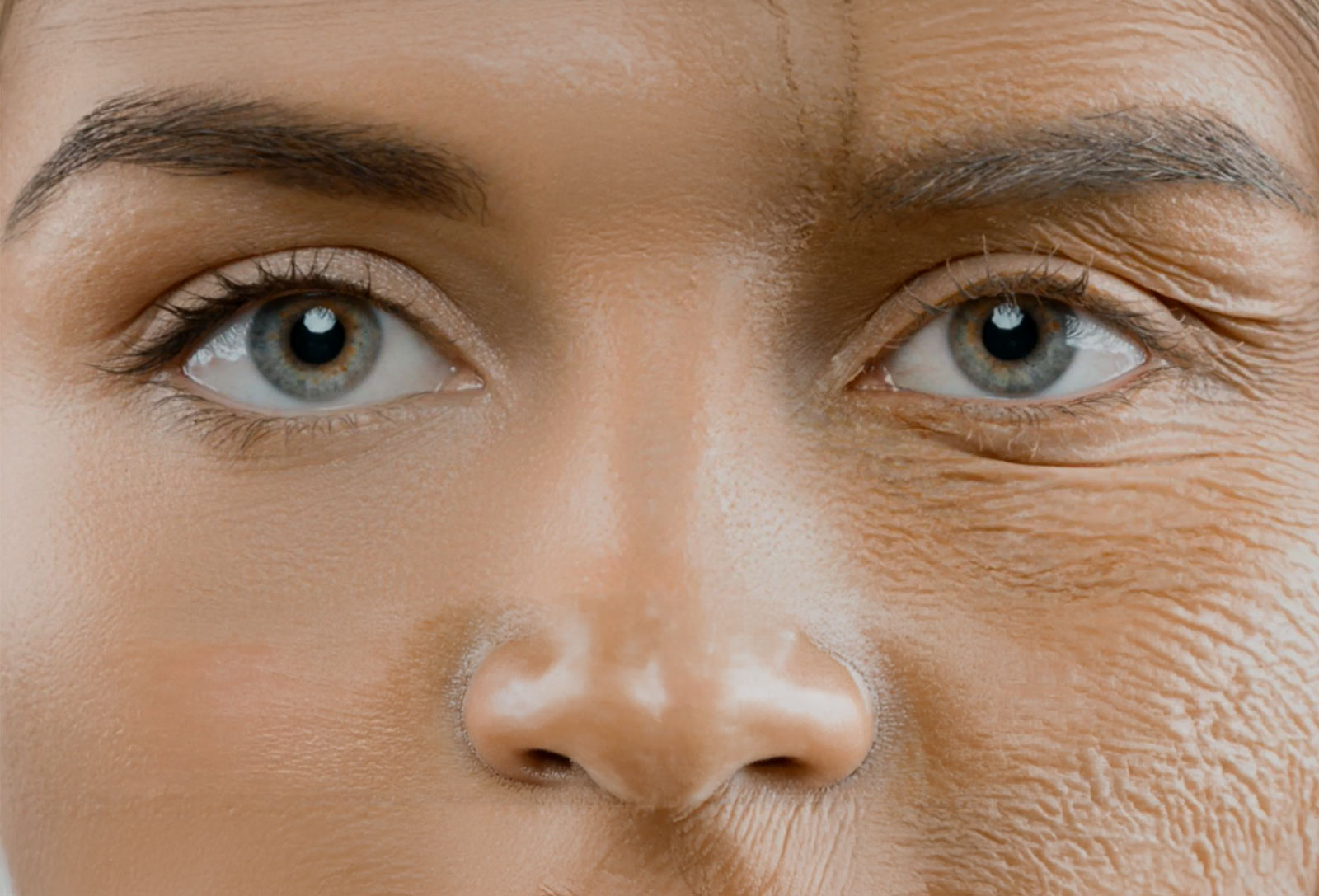
What really happens to our bodies as we age? Explore the science behind aging and simple lifestyle habits that can help support strength, vitality, and healthy aging over time.